

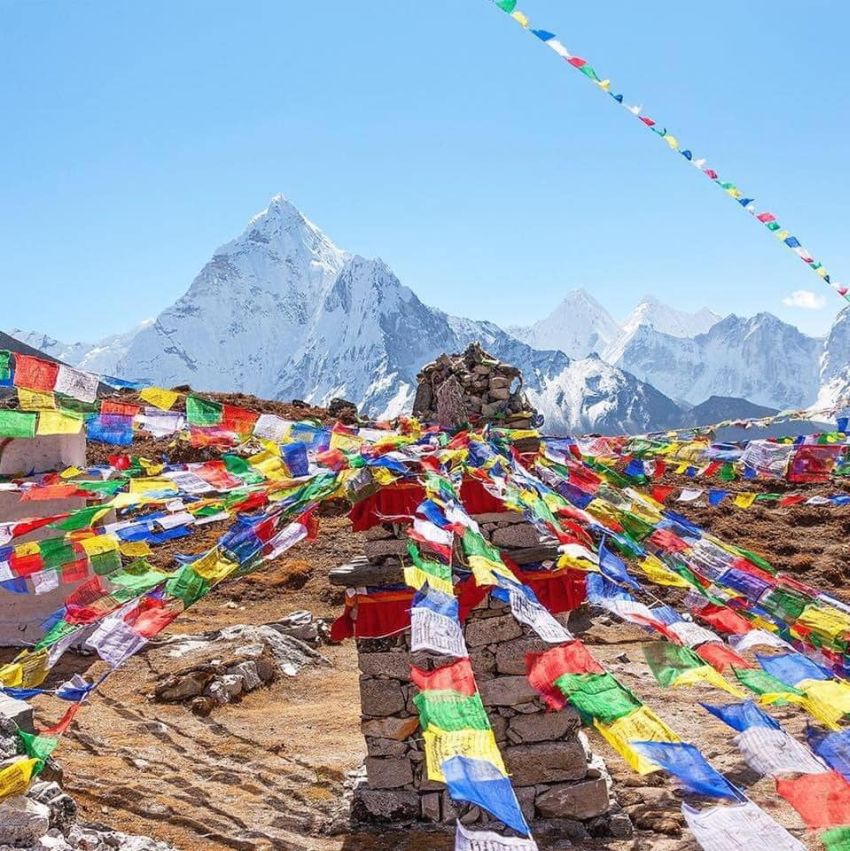
You’ve always wanted to stand face to face with Mount Everest but the thought of a long trek back down holds you back. The long descent after reaching Everest Base Camp feels more like an endurance test than a celebration of your achievement.
That’s where the Everest Base Camp trek with helicopter return changes everything. It gives you the same thrill of trekking through Sherpa villages, suspension bridges and panoramic mountain views – without the physical toll of retracing your steps. Instead of a tiring multi-day descent you’ll fly back to Kathmandu in minutes and see the Himalayas from the air that few ever get to see.
This is perfect for those short on time or those who want to experience the best of the Himalayas without overexertion. It solves the problem of fatigue and limited vacation days, combines the thrill of trekking with the luxury of a scenic helicopter ride. Whether you’re a first time trekker or a seasoned hiker this hybrid journey is a smarter and more memorable way to experience Everest.
Choosing an Everest Base Camp trek with helicopter return means maximizing your adventure and minimizing the strain. It’s not just a shortcut – it’s a chance to end your journey on a high note.
What is the Everest Base Camp Trek with Helicopter Return?
Classic EBC Trek Route Overview
The classic Everest Base Camp (EBC) trek is one of the most famous hikes in the world. It starts with a scenic flight from Kathmandu to Lukla, a small mountain airstrip at 2,860 meters. From there trekkers start an 8-12 day journey through the heart of the Khumbu region.
The route goes through Sherpa villages like Namche Bazaar, Tengboche and Dingboche. Along the way trekkers acclimatize gradually and enjoy panoramic views of Everest, Lhotse, Ama Dablam and other Himalayan giants. The trek ends at Everest Base Camp (5,364 meters) the staging point for mountaineers attempting to summit the highest mountain in the world.
Trekkers also climb Kala Patthar (5,545 meters) for sunrise views of Everest. The descent follows the same trail back to Lukla, usually takes 3-4 days.
How the Helicopter Return Works
With the helicopter return option trekkers follow the same route up to Everest Base Camp. After reaching the base camp or Kala Patthar instead of hiking back down they board a pre-arranged helicopter for a quick return to Kathmandu or Lukla.
This flight takes 1-1.5 hours depending on the weather and final destination. Helicopters usually depart from Lobuche or Gorak Shep, the last settlement before Everest Base Camp. The ride gives a bird’s eye view of the Khumbu Icefall, glaciers and towering peaks.
This hybrid itinerary allows trekkers to fully experience the ascent without the physical toll of the descent. It’s coordinated by trekking companies that handle permits, guides, porters and helicopter logistics. Some packages even include a brief aerial tour of Everest before descending.
This option is becoming increasingly popular among travelers who want a balance of adventure and convenience. It also adds a luxurious twist to a rugged trek making it perfect for those who want the best of both worlds.
What are the benefits of choosing a Helicopter Return from Everest Base Camp?
Save Time Without Missing the Experience
One of the biggest advantages of a helicopter return is time efficiency. The full Everest Base Camp trek takes 12-14 days round trip. By flying back you can cut the itinerary down to 9-10 days without missing the essential trekking experience.
This is perfect for those with limited vacation days. You still get to acclimatize properly, explore Sherpa culture and reach Everest Base Camp on foot. But instead of retracing your steps you fly back in a fraction of the time.
This option allows you to maximize your Himalayan adventure while minimizing time away from work or family. It’s especially helpful for professionals or students who can’t commit to a two week trek.
Reduce Physical Strain and Fatigue
Descending from Everest Base Camp can be just as demanding as the ascent. After days of trekking at high altitude your body is tired and knees often take a beating on the downhill trails.
Choosing a helicopter return eliminates the need to hike back down. This reduces the risk of fatigue related injuries, blisters and joint pain. It’s a gentler way to end your trek especially for those with moderate fitness level or prior injuries.
Many trekkers feel that the descent feels anticlimactic after reaching base camp. Flying out keeps the adventure high and spares your body from unnecessary strain.Disclaimer: Trekking at high altitude carries risks. Always consult with a medical professional before beginning a high-altitude trek and ensure proper acclimatization.
Scenic Flights of the Himalayas
A helicopter ride over the Himalayas is an experience in itself. You’ll see Everest, Nuptse, Pumori and the Khumbu Glacier from above.
The flight offers a view you can’t get from the trail. You’ll fly past icefalls, ridgelines and deep valleys, take photos and memories few get to experience.
Some operators even include a fly-by of Everest’s summit, weather permitting. It’s the perfect way to end your trek with a once in a lifetime scenic flight.
Is Everest Base Camp Trek with Helicopter Return Safe?
Helicopter Safety in Nepal
Safety is a top priority for anyone considering a helicopter return from Everest Base Camp. Fortunately Nepal has made significant progress in aviation safety especially in trekking areas like the Khumbu.
Reputable helicopter operators follow strict protocols. Pilots are experienced in high altitude flying and undergo regular training. Aircraft are maintained to international standards and equipped with modern navigation and communication systems.
Choose a trekking company that works with licensed, insured helicopter operators. Look for Civil Aviation Authority of Nepal (CAAN) approval and good customer reviews. Always confirm your operator prioritizes safety over schedule.
Emergency Evacuation vs. Planned Helicopter Return
It’s important to distinguish between emergency evacuation and planned helicopter return. Emergency evacuation is unplanned and due to altitude sickness, injury or bad weather. In such cases helicopters are deployed quickly, often covered by travel insurance.
Planned helicopter return is pre-arranged as part of your itinerary. It’s not an emergency but a luxury and convenience option. These flights are scheduled in advance, coordinated with your trekking progress and not covered by insurance.
Make sure your trekking company clearly explains the difference. Ask about backup plans in case of bad weather or delays. A good operator will have contingency plans and transparent communication.
Who Should Go for Everest Base Camp Trek with Helicopter Return?
For Time Starved Travelers
If you’re short on time but want the full Everest Base Camp experience, the helicopter return is the way to go. You’ll complete the trek in 9-10 days instead of 14-16.
This is perfect for professionals, business travelers or anyone with limited vacation days. You won’t have to sacrifice the core trekking experience as you’ll still reach base camp and acclimatize properly.
Many travelers combine this option with other Nepal highlights like a safari in Chitwan or sightseeing in Pokhara. It’s a smart way to see more in less time.
Suitable for Moderate Fitness Levels
The Everest Base Camp trek is challenging, especially due to altitude and the long descent. A helicopter return makes it more accessible to those with moderate fitness or limited trekking experience.
By eliminating the need to hike down you reduce the physical toll on your body. This is especially beneficial for older trekkers, those recovering from injuries or anyone concerned about stamina.
Disclaimer: Trekking participants should still undergo a medical check-up and be physically prepared for high-altitude trekking to Everest Base Camp.
Great for Luxury and Comfort Seekers
If you’re looking for a premium trekking experience the helicopter return adds a touch of luxury. It transforms a rugged adventure into a more refined journey.
Many high-end trekking packages include boutique lodges, private guides and gourmet meals. The helicopter return complements this upscale approach, comfort without compromise.
It’s also a memorable way to celebrate a milestone – whether it’s a birthday, honeymoon or personal achievement. The aerial finale adds a wow factor few other treks can match.
How Much Does Everest Base Camp Trek with Helicopter Return Cost?
Cost Breakdown and Inclusions
The cost of Everest Base Camp trek with helicopter return ranges from $2,500 to $4,500 per person. Prices vary based on group size, season and level of service.
Most packages include:
- Domestic flights (Kathmandu–Lukla)
- Trekking permits (Local Area and Sagarmatha National Park)
- Accommodation and meals during the trek
- Experienced guides and porters
- Helicopter flight from Gorak Shep to Kathmandu or Lukla
- Airport transfers and logistics
Luxury packages may also include upgraded lodges, private rooms and personalized services.Always check what’s included before booking. Some companies exclude personal expenses, travel insurance or gear rental so read the fine print carefully.
Is It Worth the Extra Cost?
While more expensive than the standard trek the helicopter return offers great value for the right traveler. You save 3-4 days, reduce physical stress and gain an unforgettable aerial experience.
For many the time saved justifies the cost. It also reduces the risk of altitude related fatigue or injury on the descent. If your budget allows the comfort and convenience are well worth the investment.
Think of it as combining two adventures in one: a world-class trek and a scenic helicopter tour. The memories and photos alone often make it a worthwhile splurge.
Note: Prices may fluctuate based on peak demand periods and exchange rates.
When Is the Best Time to Trek to Everest Base Camp with Helicopter Return?
Optimal Seasons for Weather and Visibility
The best times for the Everest Base Camp trek with helicopter return are spring (March-May) and autumn (September-November). These seasons offer clear skies, stable weather and great mountain views.
Spring brings blooming rhododendrons and moderate temperatures. It’s also a popular time for Everest expeditions so base camp is lively. Autumn offers crisp air, minimal rain and stunning visibility – ideal for both trekking and flying.
Helicopter flights are more reliable during these months as the weather is more predictable. Visibility is key for safe takeoffs and landings in the mountains.
Avoiding Monsoon and Winter Challenges
Monsoon season (June-August) brings heavy rain, cloud cover and poor visibility. Trails become slippery and helicopter flights are frequently delayed or cancelled. This is the least ideal time for a helicopter return.
Winter (December-February) offers clear skies but extreme cold and snow. While possible trekking and flying is more challenging. Helicopter availability may be limited and lodges may be closed at higher elevations.
If you’re planning a helicopter return stick to spring or autumn for the best experience. Always build in a buffer day in case of weather related delays.
How to Choose a Reliable Trekking Company for EBC with Helicopter Return?
What to Look for in a Tour Operator
Choosing the right trekking company is crucial for a safe and enjoyable EBC trek with helicopter return. Look for operators with:
- Government registration and local licenses
- Experienced, English speaking guides certified in first aid
- Transparent pricing and clear itineraries
- Strong partnerships with licensed helicopter providers
- Positive reviews on platforms like TripAdvisor or Trustpilot
Also consider if the company has small group sizes, personalized attention and treats porters and staff fairly.
Local operators often provide better value and cultural insight than international companies.
Questions to Ask Before Booking
Before you book ask these questions:
- Is the helicopter flight guaranteed or weather dependent?
- What happens if the flight is delayed or cancelled?
- Is helicopter insurance included or optional?
- What is the maximum group size?
- Are guides trained in altitude sickness management?
- What’s the contingency plan for medical emergencies?
Clear answers will help you gauge the company’s professionalism and preparedness. A good operator will be transparent, responsive and safety focused.
Is the Everest Base Camp Trek with Helicopter Return for You?
Adventure, Comfort and Time
Choosing an Everest Base Camp trek with helicopter return is about finding the right balance. If you want the full trekking experience without the long descent this option delivers.
It’s ideal for those who value time, comfort and a bit of luxury. You still get to say you reached base camp but end your adventure in style.
Consider your physical fitness, schedule and budget. If you want to minimize fatigue and maximize experience this is the way to go.
A Unique Experience of the Himalayas
The helicopter return adds a dramatic and unforgettable element to your journey. Flying over the highest mountains in the world is a rare privilege few get to enjoy.
It turns a normal trek into an elite experience—ground level immersion with aerial views. Whether you’re an adventurer, time poor traveller or luxury seeker this option has something for everyone.
For many it’s the ultimate way to experience Everest and the Himalayas.
Conclusion
Choosing an Everest Base Camp trek with helicopter return is the best of both worlds—adventure and comfort. You get the full trekking experience and then a scenic time saving flight back. It’s a smart choice for those who want the challenge without the long descent.
This option also reduces physical strain and lets you enjoy the views of Everest from the sky. Whether you’re short on time or just want a more balanced journey the helicopter return adds value and memories. Let’s fly!
10 razloga zbog kojih planinarenje treba uvesti kao obavezan školski predmet








Dodaj komentar